
Mon~Sat: 10:00AM to 9:00PM
1160/61, University Rd, Revenue Colony, Shivajinagar, Pune, Maharashtra 411005
Address
1160/61, University Rd, Revenue Colony, Shivajinagar, Pune,
Maharashtra 411005
Priya, a 35-year-old software engineer, believed her knee pain was simply the result of long working hours and a lack of exercise. She ignored the discomfort for months, assuming it would eventually disappear.
But the pain became more frequent. Climbing stairs felt difficult, morning stiffness increased, and even short walks started causing discomfort.
When she finally consulted an orthopedic specialist, advanced imaging and modern diagnostic tools revealed early joint changes that might have been missed years ago. Because the problem was identified early, she was able to begin treatment before significant damage occurred.
Stories like Priya’s highlight how technology is transforming orthopedic care.
Modern knee pain treatment is evolving rapidly with the help of Artificial Intelligence and advanced technology. From improving diagnostic accuracy to supporting robotic knee replacement and personalized rehabilitation, AI is helping orthopedic specialists detect joint problems earlier and deliver more precise care for patients with knee and joint conditions.
Orthopedic medicine has advanced far beyond traditional examinations alone. Today, Artificial Intelligence (AI) is helping doctors analyze medical data with greater speed and precision, supporting earlier detection of joint problems.
AI-assisted systems can help:
Earlier diagnosis often means patients have more treatment options and a better chance of preserving natural joint function.
No two patients experience joint pain in exactly the same way.
Factors such as age, occupation, physical activity, body weight, previous injuries, and overall health all influence treatment decisions. AI-powered insights can assist specialists in reviewing these variables to create more individualized care plans.
Combined with clinical expertise, this approach helps ensure that treatment is tailored to each patient's specific needs rather than relying on a one-size-fits-all solution.
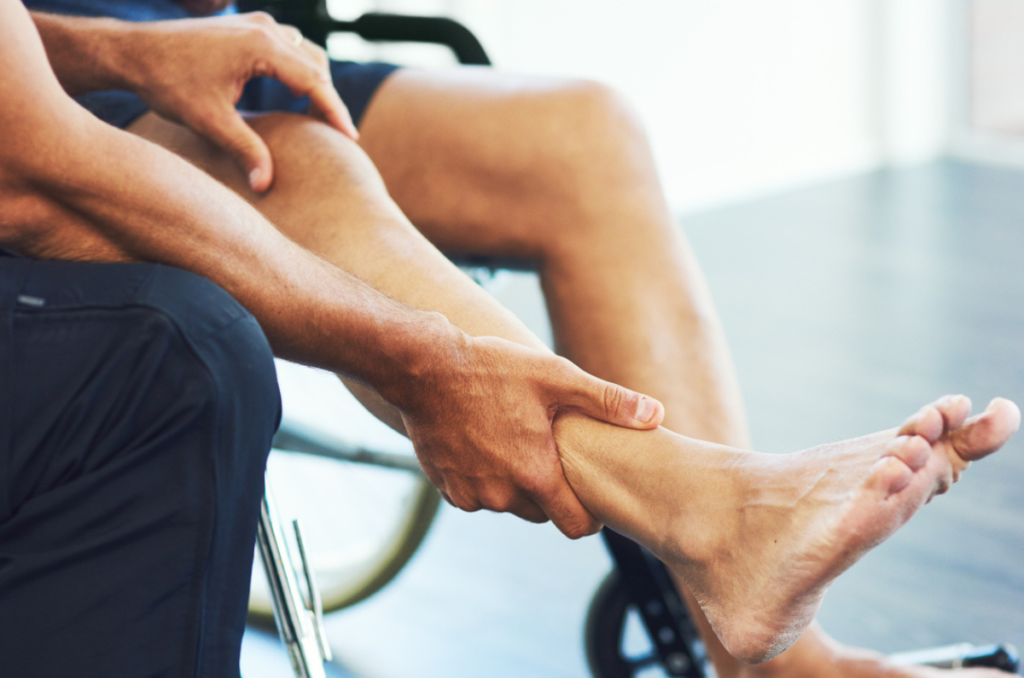
The journey doesn’t end after diagnosis or surgery. Rehabilitation plays a crucial role in achieving successful outcomes.
Modern digital tools and wearable technologies can support recovery by:
These innovations allow patients and healthcare teams to monitor recovery more closely and make adjustments when needed.
One of the most exciting developments in orthopedic care is robotic-assisted surgery.
By combining advanced planning software with surgical expertise, robotic systems can help improve precision during procedures, particularly in joint replacement surgery.
Potential benefits may include:
The technology is designed to support surgeons—not replace them—while enhancing consistency and precision.
Many people wait until pain becomes severe before seeking medical advice.
However, early assessment can often identify problems before they progress to advanced stages. Detecting issues sooner may allow treatment with physiotherapy, medications, lifestyle modifications, or minimally invasive procedures instead of more extensive interventions.
Prompt care can also help maintain mobility and reduce the long-term impact of joint disease.
Artificial Intelligence is a powerful tool, but successful orthopedic care still depends on experienced medical professionals.
The best outcomes come from combining advanced technology with careful clinical judgment, thorough physical examination, patient history, and individualized treatment planning.
Technology enhances decision-making, while doctors provide the expertise and human understanding that machines cannot replace.
As AI continues to evolve, patients can expect orthopedic care to become even more precise, efficient, and personalized.
From early diagnosis and customized rehabilitation plans to robotic-assisted procedures and data-driven recovery monitoring, innovation is helping people return to active, independent lives with greater confidence.
Joint pain should never be ignored, regardless of age. Thanks to advancements in Artificial Intelligence and modern orthopedic technology, many conditions can now be detected earlier and managed more effectively than ever before.
If you’re experiencing persistent knee, hip, or joint discomfort, seeking timely evaluation from an experienced orthopedic specialist can help you access the latest treatment options and protect your long-term mobility.
Dr. Saurabh Giri
Experienced Joint Replacement and Arthroscopy Surgeon

1160/61, University Rd, Revenue Colony,
Shivajinagar, Pune, Maharashtra 411005
Phone: (+91) 8971926236
Unit No. 405, 4th Floor, Shree Ganesh Ace
Arcade, Kokane Chowk, opposite MIRCHANDANI PALMS, Pimple Saudagar, Pimpri-Chinchwad, Maharashtra
411017
Phone: (+91) 8971926236
4th Floor, Bhosale nagar19, Ashok sankul, 1,
Range Hill Rd, Sinchan Nagar, Pune, Maharashtra 411007
Phone: 090283
64974