
Mon~Sat: 10:00AM to 9:00PM
1160/61, University Rd, Revenue Colony, Shivajinagar, Pune, Maharashtra 411005
Address
1160/61, University Rd, Revenue Colony, Shivajinagar, Pune,
Maharashtra 411005
For years, Amit barely gave his knees a second thought.
He walked to nearby shops without hesitation, climbed office stairs several times a day, enjoyed weekend hikes with friends, and played badminton whenever he had free time. His knees simply did what they were supposed to do.
Then came the first sign—a slight ache after climbing a flight of stairs. He ignored it.
Soon, he noticed stiffness after sitting through long meetings. His morning walks became shorter, and he started choosing elevators over stairs. Activities he once enjoyed slowly disappeared from his schedule, replaced by caution and discomfort. The biggest change wasn’t just the pain. It was realizing that simple, everyday movements were no longer effortless.
Knee pain can slowly turn everyday activities into challenges, affecting your ability to walk, climb stairs, or enjoy time with your family. While many people assume these symptoms are a normal part of aging, persistent discomfort may indicate a condition that requires evaluation by an orthopedic specialist and, in some cases, advanced treatments such as robotic knee replacement or joint preservation therapy.
Many people expect serious joint problems to begin with severe pain, but that’s rarely the case.
In reality, knee issues often appear through subtle symptoms that worsen over time, including:
Because these symptoms seem manageable, people often delay seeking medical advice until the condition starts affecting their daily lives.
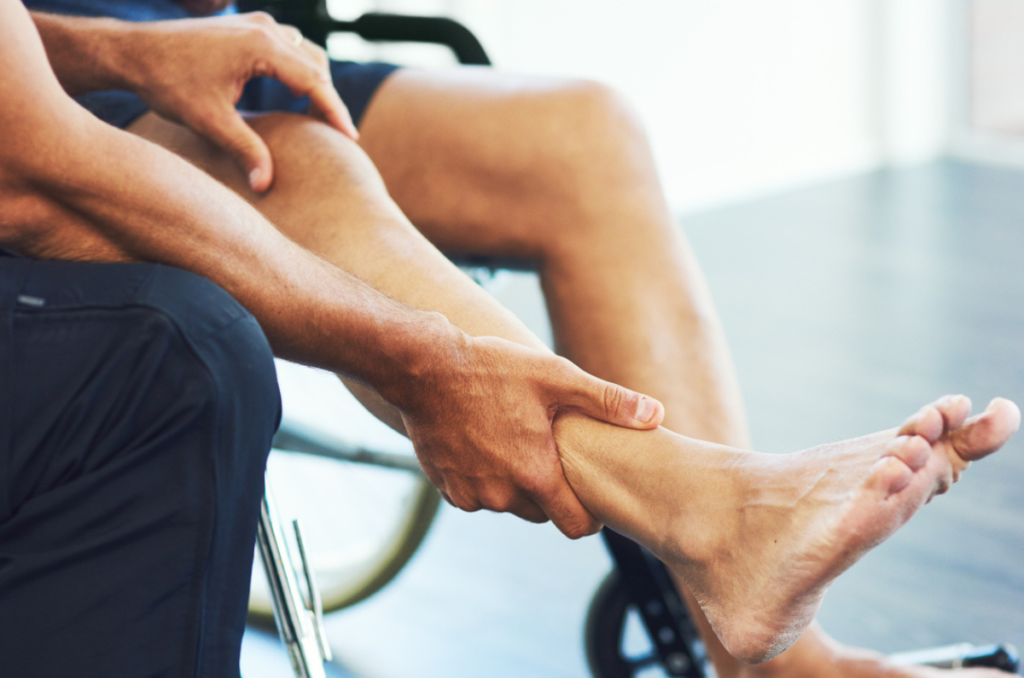
Persistent knee discomfort is not simply a normal consequence of getting older.
It may indicate cartilage wear, ligament injury, arthritis, inflammation, or other orthopedic conditions that can worsen without appropriate treatment. Early diagnosis often makes management simpler and helps preserve natural joint function.
Ignoring symptoms can gradually reduce mobility and limit independence.
Today’s work habits often involve long hours of sitting, limited physical activity, and poor posture. Combined with obesity, previous injuries, and sports-related strain, these factors have contributed to a rise in knee problems among both older adults and younger professionals.
Athletes and fitness enthusiasts are also vulnerable. Untreated ligament injuries or repeated stress on the joint can lead to long-term instability and accelerate joint degeneration.
One of the most common misconceptions is that visiting an orthopedic specialist automatically means undergoing surgery.
In reality, many knee conditions can be managed successfully without an operation.
Depending on the diagnosis, treatment may include:
Seeking care early often expands these non-surgical possibilities.
For patients with advanced arthritis or severe cartilage damage, surgery may provide the most effective long-term solution.
Fortunately, orthopedic technology has advanced significantly over the years. Robotic-assisted knee replacement and muscle-sparing techniques are designed to improve surgical precision, support better alignment, and encourage smoother recovery.
The goal extends beyond pain relief—it focuses on restoring movement, confidence, and independence.
Being able to move comfortably affects almost every part of life:
These simple moments contribute greatly to overall happiness and wellbeing.
Younger individuals frequently experience knee injuries from football, cricket, badminton, gym workouts, or other physical activities.
Conditions such as ACL tears, meniscus injuries, and ligament damage can significantly affect stability and performance if left untreated.
Modern arthroscopic techniques and structured rehabilitation programs help many patients recover effectively while minimizing disruption to their active lifestyles.
Mobility challenges are not always limited to the knees. Persistent hip pain, groin discomfort, limping, or difficulty sitting cross-legged may indicate underlying joint problems that benefit from early orthopedic evaluation. Addressing these issues promptly can help maintain mobility and prevent further deterioration.
Many patients describe their greatest improvement after treatment as regaining confidence rather than simply becoming pain-free.
If knee pain, stiffness, sports injuries, or reduced mobility are interfering with your daily routine, don’t wait for the symptoms to become severe. Early orthopedic assessment can identify the underlying cause and provide timely treatment options that help protect your joints and preserve your active lifestyle.

1160/61, University Rd, Revenue Colony,
Shivajinagar, Pune, Maharashtra 411005
Phone: (+91) 8971926236
Unit No. 405, 4th Floor, Shree Ganesh Ace
Arcade, Kokane Chowk, opposite MIRCHANDANI PALMS, Pimple Saudagar, Pimpri-Chinchwad, Maharashtra
411017
Phone: (+91) 8971926236
4th Floor, Bhosale nagar19, Ashok sankul, 1,
Range Hill Rd, Sinchan Nagar, Pune, Maharashtra 411007
Phone: 090283
64974