
Mon~Sat: 10:00AM to 9:00PM
1160/61, University Rd, Revenue Colony, Shivajinagar, Pune, Maharashtra 411005
Address
1160/61, University Rd, Revenue Colony, Shivajinagar, Pune,
Maharashtra 411005
Experiencing knee pain in your 30s is becoming increasingly common due to sedentary lifestyles, sports injuries, obesity, and improper exercise habits. What starts as mild discomfort can progress into chronic joint issues if left untreated. Early knee pain treatment and preventive care can help maintain mobility and reduce the risk of future knee replacement surgery.
At 32, Rohan had a demanding corporate job and a busy lifestyle. Most of his day was spent sitting in front of a laptop, followed by an intense gym session in the evening.
When he first noticed a slight ache in his knee after climbing stairs, he brushed it off as muscle fatigue. A few weeks later, the discomfort returned after long meetings. Soon, squatting at the gym became painful, and weekend football games didn’t feel as enjoyable as they once did.
His biggest surprise wasn’t the pain itself—it was realizing that knee problems could happen so early in life. Today, stories like Rohan’s are becoming increasingly common.
For years, knee pain was associated with aging. However, orthopedic specialists are now seeing more patients in their late 20s and early 30s seeking treatment for joint discomfort, stiffness, and sports-related injuries.
The reason isn’t just age—it’s the way modern lifestyles affect joint health.
Several everyday habits can place unnecessary stress on the knees:
Because these symptoms seem manageable, people often delay seeking medical advice until the condition starts affecting their daily lives.
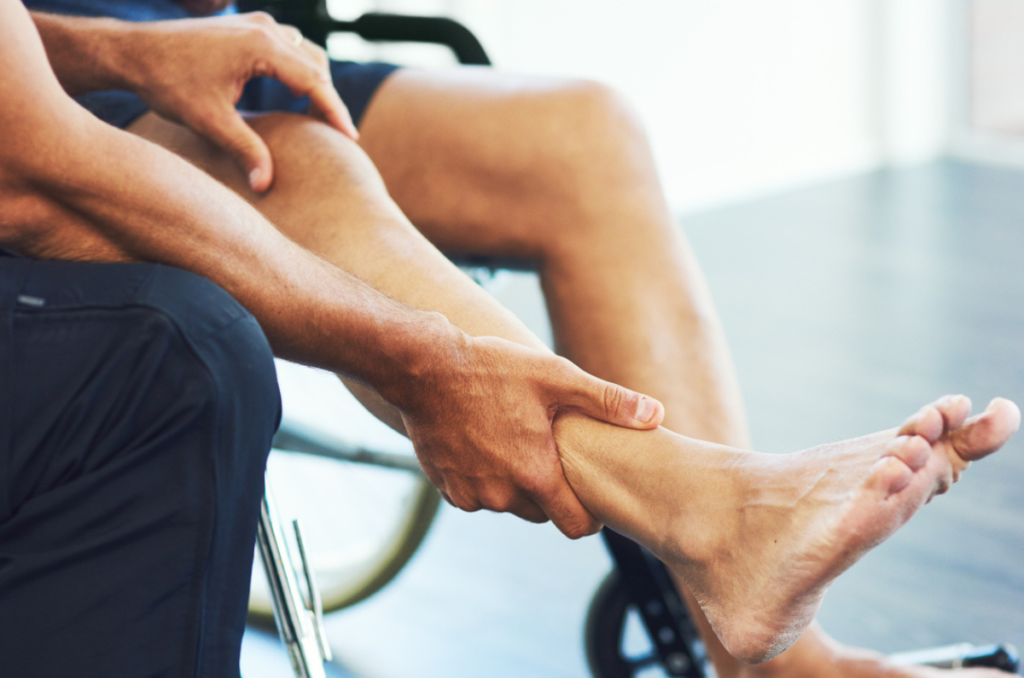
Persistent knee discomfort is not simply a normal consequence of getting older.
It may indicate cartilage wear, ligament injury, arthritis, inflammation, or other orthopedic conditions that can worsen without appropriate treatment. Early diagnosis often makes management simpler and helps preserve natural joint function.
Ignoring symptoms can gradually reduce mobility and limit independence.
Today’s work habits often involve long hours of sitting, limited physical activity, and poor posture. Combined with obesity, previous injuries, and sports-related strain, these factors have contributed to a rise in knee problems among both older adults and younger professionals.
Athletes and fitness enthusiasts are also vulnerable. Untreated ligament injuries or repeated stress on the joint can lead to long-term instability and accelerate joint degeneration.
One of the most common misconceptions is that visiting an orthopedic specialist automatically means undergoing surgery.
In reality, many knee conditions can be managed successfully without an operation.
Depending on the diagnosis, treatment may include:
Seeking care early often expands these non-surgical possibilities.
For patients with advanced arthritis or severe cartilage damage, surgery may provide the most effective long-term solution.
Fortunately, orthopedic technology has advanced significantly over the years. Robotic-assisted knee replacement and muscle-sparing techniques are designed to improve surgical precision, support better alignment, and encourage smoother recovery.
The goal extends beyond pain relief—it focuses on restoring movement, confidence, and independence.
Being able to move comfortably affects almost every part of life:
Over time, these factors can contribute to pain, inflammation, and early wear of the knee joint.
Knee problems rarely begin with severe pain. They often develop gradually through symptoms such as:
These signs may seem minor, but they can indicate an underlying issue that deserves attention.
Developing joint problems at a younger age can have long-term consequences.
If left untreated, ongoing stress and damage may lead to reduced mobility, chronic pain, or early degeneration of the joint. It can also affect work performance, fitness goals, and participation in sports or recreational activities.
Seeking medical advice early often allows simpler and more effective treatment options.
Fortunately, many knee problems can be prevented or managed with healthy habits.
Consider the following steps:
Small lifestyle changes today can make a significant difference in long-term joint health.
You should seek professional evaluation if:
Early diagnosis can help identify the cause and reduce the risk of more complex treatment in the future.
Many people wait until the pain becomes unbearable before consulting a doctor. Unfortunately, delaying care may allow the condition to worsen.
Whether the problem is related to overuse, sports injuries, ligament damage, or early arthritis, timely intervention can improve recovery and help preserve natural joint function.
If you’re in your 30s and experiencing recurring knee pain, don’t assume it’s something you simply have to live with. Your body may be signaling that your joints need attention.
By adopting healthier habits and seeking expert guidance when symptoms persist, you can protect your knees, maintain an active lifestyle, and reduce the risk of long-term complications.

1160/61, University Rd, Revenue Colony,
Shivajinagar, Pune, Maharashtra 411005
Phone: (+91) 8971926236
Unit No. 405, 4th Floor, Shree Ganesh Ace
Arcade, Kokane Chowk, opposite MIRCHANDANI PALMS, Pimple Saudagar, Pimpri-Chinchwad, Maharashtra
411017
Phone: (+91) 8971926236
4th Floor, Bhosale nagar19, Ashok sankul, 1,
Range Hill Rd, Sinchan Nagar, Pune, Maharashtra 411007
Phone: 090283
64974