
Mon~Sat: 10:00AM to 9:00PM
1160/61, University Rd, Revenue Colony, Shivajinagar, Pune, Maharashtra 411005
Address
1160/61, University Rd, Revenue Colony, Shivajinagar, Pune,
Maharashtra 411005
For many people, climbing a flight of stairs is a simple part of everyday life. But for those living with knee pain, it can become one of the most challenging tasks of the day.
If you find yourself gripping the handrail, taking one step at a time, or avoiding stairs altogether, you're not alone. Persistent knee pain can gradually affect your confidence, mobility, and independence.
The encouraging news is that effective treatment options are available. With early diagnosis and modern orthopaedic care, including robotic-assisted knee replacement in pune when needed, many patients are able to return to an active, pain-free lifestyle.
Your knees experience significantly greater stress while climbing or descending stairs than they do during normal walking. In fact, stair climbing can place several times your body weight on the knee joint.
When the joint is already damaged or inflamed, this additional pressure may trigger pain, stiffness, or instability.
Some common causes include:
Ignoring these symptoms can eventually alter the way you walk, placing extra strain on the hips and lower back.
Temporary relief from ice packs, pain-relief gels, knee braces, or over-the-counter medications may help reduce symptoms, but they do not address the underlying problem.
You should consider consulting an orthopaedic specialist if:
Early evaluation often allows for more effective treatment and may prevent the condition from worsening.
Treatment depends on the cause and severity of your condition. Many patients improve with non-surgical measures such as physiotherapy, lifestyle modifications, medications, or targeted injections.
However, when arthritis or joint damage becomes severe, knee replacement surgery may provide the most reliable long-term solution.
Modern robotic-assisted knee replacement technology has improved the accuracy of joint replacement procedures by allowing highly personalized surgical planning.
According to Dr. Saurabh Giri, an experienced Joint Replacement and Arthroscopy Surgeon practicing in Pune and PCMC, robotic technology enables surgeons to carefully plan implant positioning based on each patient's anatomy.
Potential advantages include:
Many patients are surprised by how quickly they regain mobility with a structured rehabilitation program.
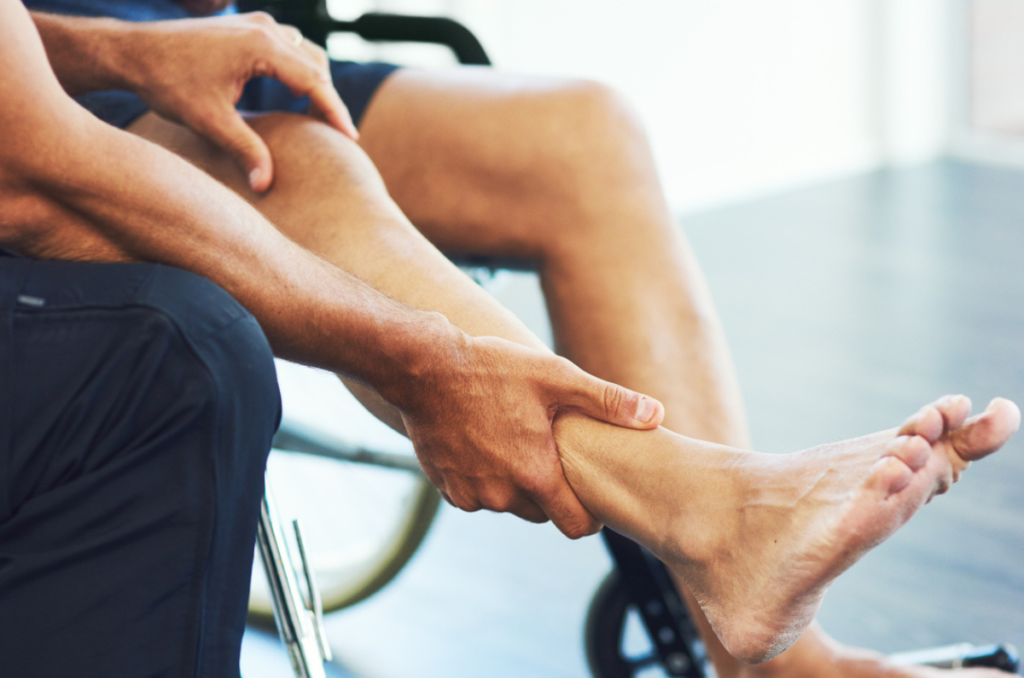
Pain is not always generated where it is felt.
Conditions such as hip arthritis or avascular necrosis (AVN) can change walking patterns and place additional stress on the knees, leading patients to believe the knee is the primary problem.
A thorough orthopaedic evaluation helps identify the true source of pain and ensures that treatment addresses the underlying cause rather than just the symptoms.
Successful recovery extends beyond surgery or medication. Rehabilitation plays an essential role in restoring strength, balance, and mobility.
Recovery programs often focus on:
For many patients, the greatest benefit is not only reduced pain but also the confidence to move freely again.
Choosing an experienced orthopaedic specialist is an important step toward achieving the best possible outcome.
With advanced training and extensive experience in joint replacement and arthroscopic procedures, Dr. Saurabh Giri emphasizes individualized treatment plans based on each patient's condition, lifestyle, and goals.
Importantly, not every patient with knee pain requires surgery. Conservative treatments are often effective, and surgical intervention is recommended only when it offers the greatest long-term benefit.
Living with knee pain shouldn't mean giving up the activities you enjoy or avoiding stairs every day.
If discomfort is affecting your quality of life, seeking timely evaluation can help identify the cause and open the door to effective treatment options. Whether the solution involves physiotherapy, minimally invasive procedures, or advanced joint replacement techniques, early care can make a significant difference.
With expert guidance from Dr. Saurabh Giri, many patients regain mobility, reduce pain, and return to everyday life with renewed confidence.

1160/61, University Rd, Revenue Colony,
Shivajinagar, Pune, Maharashtra 411005
Phone: (+91) 8971926236
Unit No. 405, 4th Floor, Shree Ganesh Ace
Arcade, Kokane Chowk, opposite MIRCHANDANI PALMS, Pimple Saudagar, Pimpri-Chinchwad, Maharashtra
411017
Phone: (+91) 8971926236
4th Floor, Bhosale nagar19, Ashok sankul, 1,
Range Hill Rd, Sinchan Nagar, Pune, Maharashtra 411007
Phone: 090283
64974