
Mon~Sat: 10:00AM to 9:00PM
1160/61, University Rd, Revenue Colony, Shivajinagar, Pune, Maharashtra 411005
Address
1160/61, University Rd, Revenue Colony, Shivajinagar, Pune,
Maharashtra 411005
Rajesh was always active. He enjoyed weekend cricket matches, took the stairs to his office without thinking twice, and loved sitting cross-legged during family gatherings.
But over time, little things began to change. He started choosing the elevator instead of the stairs. Long walks left him with aching knees. Sitting on the floor became uncomfortable, and getting up was even harder. At first, he blamed it on a busy schedule and getting older.
A few painkillers and some rest seemed to help, so he ignored the issue. Months later, the pain became more frequent. Simple daily activities started feeling like challenges, and the discomfort began affecting his confidence and lifestyle. Rajesh’s story is not unusual. In fact, it reflects how knee problems often develop for many people quietly and gradually.
Knee pain often begins so subtly that most people dismiss it as temporary discomfort. Whether it’s a slight ache while climbing stairs or stiffness after a long day at work, these early symptoms can signal underlying joint problems. Recognizing the warning signs and seeking knee pain treatment early may help prevent long-term damage and even delay the need for knee replacement surgery.
Most serious knee conditions do not start overnight. Instead, they often begin with subtle symptoms that people dismiss, such as:
Because these symptoms appear manageable, many people postpone seeing an orthopedic specialist until the condition worsens.
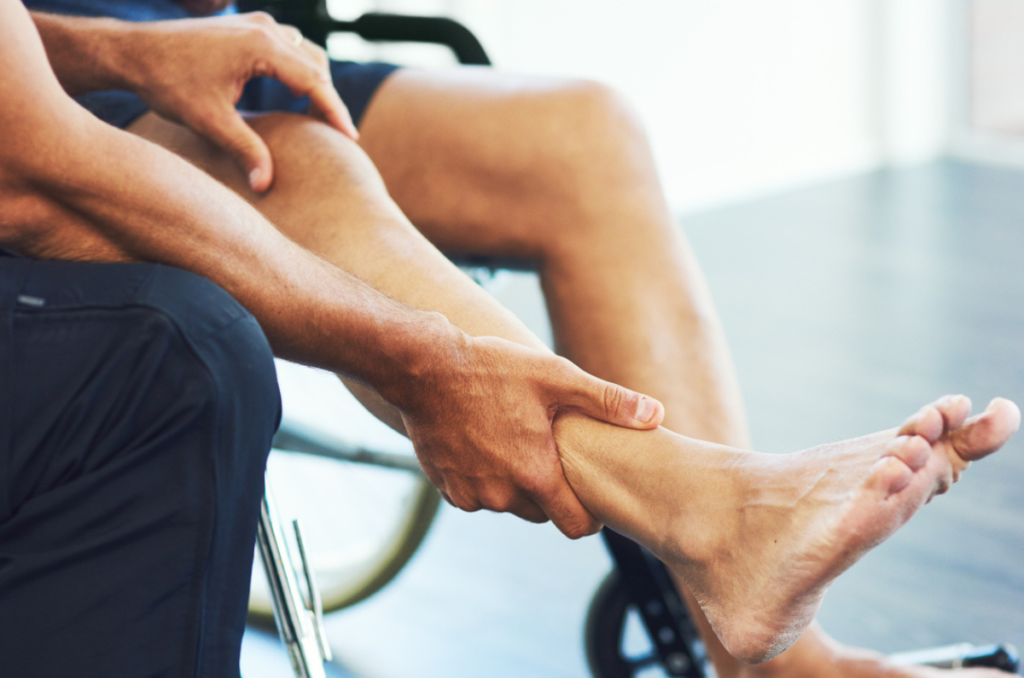
Your knees support almost every movement you make—walking, running, bending, climbing, and standing. The joint relies on healthy cartilage, ligaments, muscles, and bones working together smoothly.
When cartilage starts wearing down or an injury goes untreated, the cushioning inside the joint gradually decreases. As a result, bones may begin rubbing against each other, leading to:
Unlike a minor muscle strain, ongoing joint degeneration usually does not improve on its own without proper treatment.
Chronic knee pain affects much more than physical movement.
Many people reduce their activity levels because of discomfort, leading to weight gain and weaker muscles. Sports and hobbies are abandoned, social outings become less enjoyable, and even work productivity can suffer.
Over time, people may lose confidence in their ability to move freely and become dependent on others for simple tasks. Mobility plays a vital role in maintaining independence and overall quality of life.
According to Dr. Saurabh Giri of Helios Orthojoint, early diagnosis is one of the best ways to preserve joint health and avoid long-term complications.
Contrary to popular belief, knee pain does not automatically mean surgery is necessary.
Many patients benefit from non-surgical treatments when problems are detected early, including:
Timely intervention can reduce inflammation, improve stability, and slow the progression of joint damage.
If knee conditions are neglected for years, significant cartilage loss or advanced osteoarthritis may develop. In such cases, surgical intervention may provide the best opportunity to restore mobility and relieve pain.
Modern orthopedic procedures have advanced considerably, emphasizing:
Robotic-assisted knee replacement technology can further enhance surgical precision and support better alignment, helping patients return to active lifestyles more comfortably.
Knee issues are no longer limited to older adults. Sports injuries, sedentary jobs, obesity, gym-related strain, and untreated ligament injuries are causing younger individuals to experience chronic knee pain and instability. Ignoring these early warning signs may accelerate joint damage and increase the risk of future complications.
Consider consulting an orthopedic specialist if you regularly experience:
These symptoms may indicate an underlying condition that deserves professional evaluation.
Healthy knees allow you to work, exercise, travel, play with your family, and enjoy an independent lifestyle.
Seeking treatment early is not simply about avoiding surgery—it is about preserving your ability to move confidently and comfortably for years to come.
Persistent knee pain should never be dismissed as a normal part of aging. What begins as occasional discomfort can gradually develop into a condition that limits mobility and affects everyday life.
Early evaluation and appropriate treatment can identify the root cause, reduce long-term damage, and help you stay active. Listening to your body today may prevent much bigger problems tomorrow.

1160/61, University Rd, Revenue Colony,
Shivajinagar, Pune, Maharashtra 411005
Phone: (+91) 8971926236
Unit No. 405, 4th Floor, Shree Ganesh Ace
Arcade, Kokane Chowk, opposite MIRCHANDANI PALMS, Pimple Saudagar, Pimpri-Chinchwad, Maharashtra
411017
Phone: (+91) 8971926236
4th Floor, Bhosale nagar19, Ashok sankul, 1,
Range Hill Rd, Sinchan Nagar, Pune, Maharashtra 411007
Phone: 090283
64974