
Mon~Sat: 10:00AM to 9:00PM
1160/61, University Rd, Revenue Colony, Shivajinagar, Pune, Maharashtra 411005
Address
1160/61, University Rd, Revenue Colony, Shivajinagar, Pune,
Maharashtra 411005
If you spend some time at Dr. Saurabh Giri in Pune, you may notice an interesting pattern.
Two patients of a similar age undergo the same joint replacement surgery on the same day. Yet, one is walking comfortably within 24 hours while the other takes a little longer to regain confidence.
So, what makes the difference?
The truth is that recovery is rarely about luck. It depends on several factors, including the surgical technique, the technology used, the patient’s preparation, and the care received after surgery.
For anyone considering knee pain treatment or hip pain treatment in Pune, understanding these factors can help set realistic expectations and lead to a smoother recovery journey.
Modern advancements in orthopaedic surgery have transformed patient outcomes.
In robotic-assisted knee replacement surgery, detailed three-dimensional planning allows the surgeon to tailor the procedure to each patient’s unique anatomy. This precision helps preserve healthy tissues, improve implant positioning, and reduce unnecessary stress on the joint.
As a result, many patients experience:
When surgery is performed with greater accuracy, the body often recovers more efficiently.
Many people believe healing starts after surgery, but preparation beforehand can make a significant difference.
Prehabilitation, or “pre-hab,” focuses on strengthening the muscles surrounding the affected joint before the procedure. Building strength in the thighs, hips, and core helps patients regain mobility more quickly after surgery.
Patients who enter surgery physically prepared often feel more confident standing, walking, and participating in rehabilitation exercises soon after the operation.
For hip replacement procedures, the surgical approach can directly affect recovery.
Using muscle-sparing techniques such as the Direct Anterior Approach allows surgeons to work between muscles rather than cutting through them. This may lead to:
By minimizing disruption to surrounding structures, patients can often resume movement sooner.
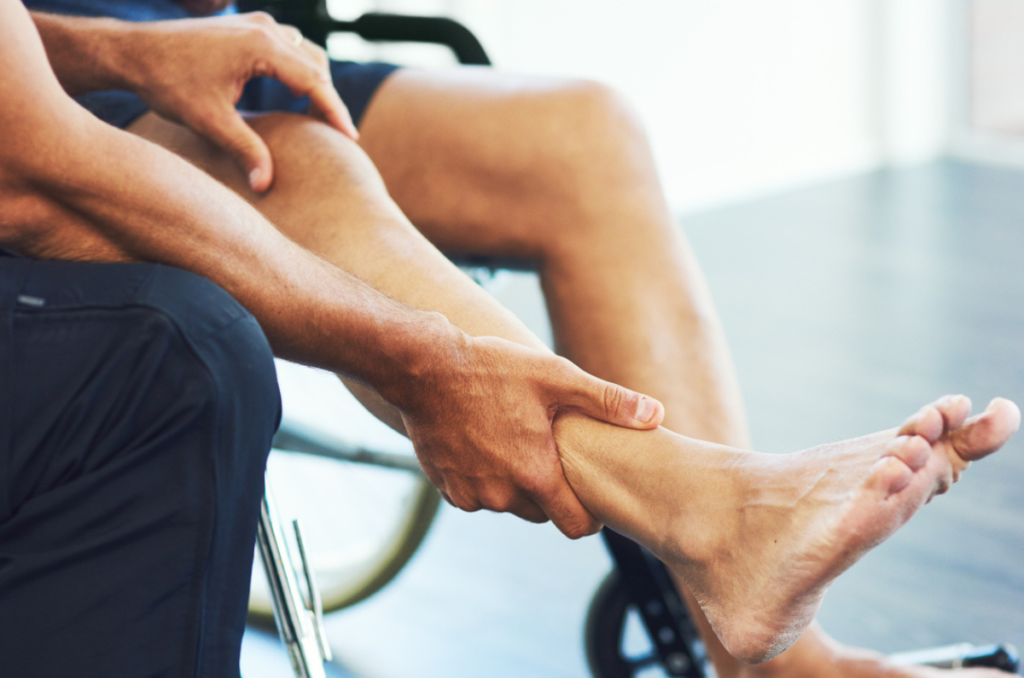
Pain is one of the biggest barriers to recovery.
Modern recovery protocols focus on controlling discomfort through multiple strategies rather than relying solely on strong pain medications. These may include local anaesthetic techniques, anti-inflammatory medicines, and cold therapy.
When pain is well managed, patients are more willing and able to begin walking and performing rehabilitation exercises—both of which are essential for preventing stiffness and supporting healing.
Mental preparation is just as important as physical preparation.
Patients who view surgery as an opportunity to regain independence often approach rehabilitation with greater motivation. Celebrating small achievements—such as taking the first few steps, climbing stairs, or performing daily activities independently—helps build confidence throughout recovery.
Education before surgery also reduces anxiety and enables patients to participate more actively in their rehabilitation.
The body requires proper nutrition to repair tissues and regain strength after surgery.
A balanced recovery diet should include:
Good nutrition can contribute to improved energy levels and overall recovery.
Advanced technology is valuable, but its effectiveness depends on the experience and judgment of the surgeon using it.
Experienced joint replacement surgeons understand how to adapt techniques for different bone qualities, anatomical variations, and individual patient needs. Their ability to make precise decisions during surgery can contribute to stable implant placement and better long-term outcomes.
Successful recovery is not based on surgery alone. It involves coordinated care before, during, and after the procedure.
Patients often benefit from:
This comprehensive approach helps patients return to their daily activities with greater confidence and comfort.
Many people postpone joint replacement because they worry about pain, prolonged recovery, or loss of independence.
However, with modern surgical techniques, appropriate preparation, and dedicated rehabilitation, recovery can be smoother and faster than many expect.
The goal isn’t simply to replace a joint—it’s to help patients regain mobility, restore confidence, and return to the activities they enjoy with less pain and better quality of life.

1160/61, University Rd, Revenue Colony,
Shivajinagar, Pune, Maharashtra 411005
Phone: (+91) 8971926236
Unit No. 405, 4th Floor, Shree Ganesh Ace
Arcade, Kokane Chowk, opposite MIRCHANDANI PALMS, Pimple Saudagar, Pimpri-Chinchwad, Maharashtra
411017
Phone: (+91) 8971926236
4th Floor, Bhosale nagar19, Ashok sankul, 1,
Range Hill Rd, Sinchan Nagar, Pune, Maharashtra 411007
Phone: 090283
64974